
Pulley Protection Splint
A pulley protection splint co-invented by Dr. Kevin Cowell to support A2 and A4 pulley injuries while keeping your finger moving. We fit it and use it with our patients in Golden and Boulder as part of their finger rehab, at no extra cost with your appointment.
2026 winner · APTA Orthopedics Innovative Practice Award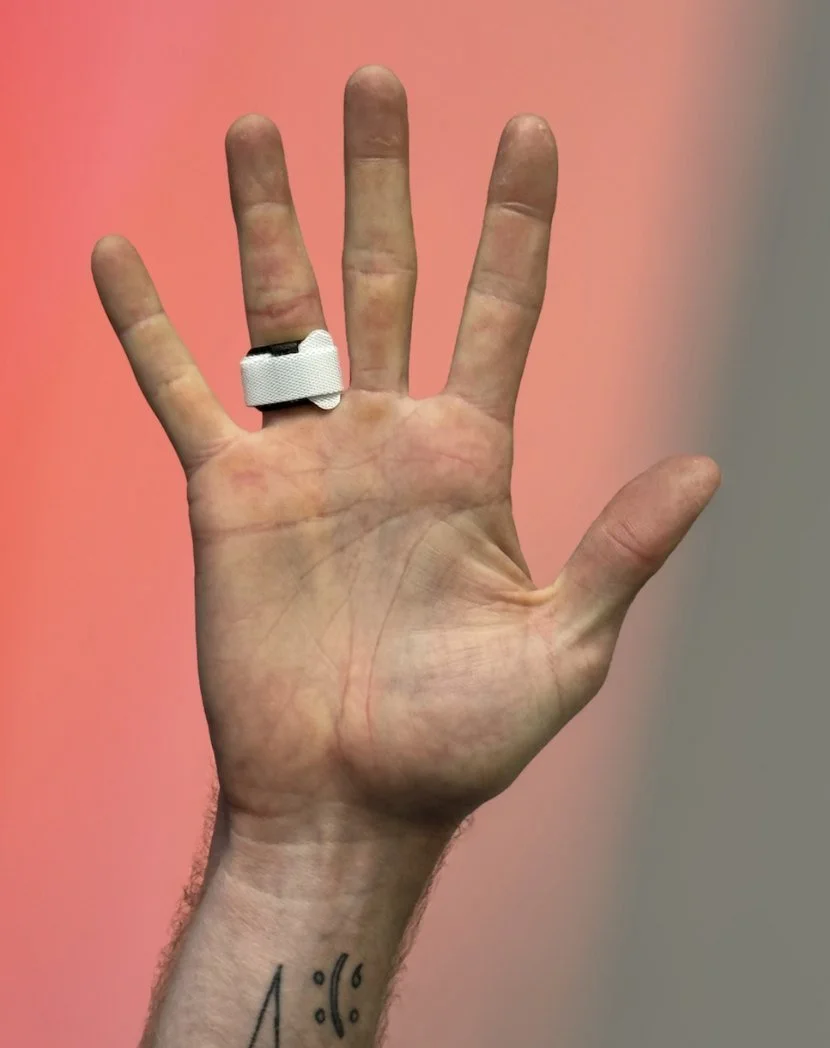
Protection without immobilization
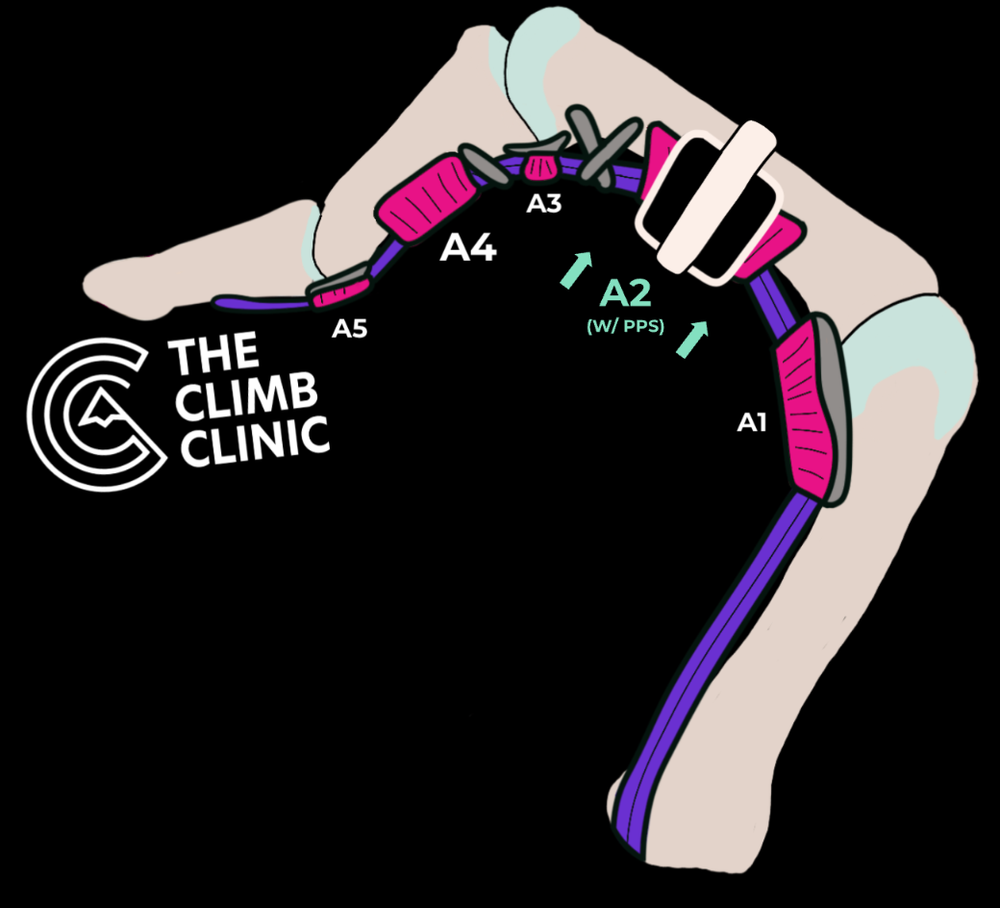
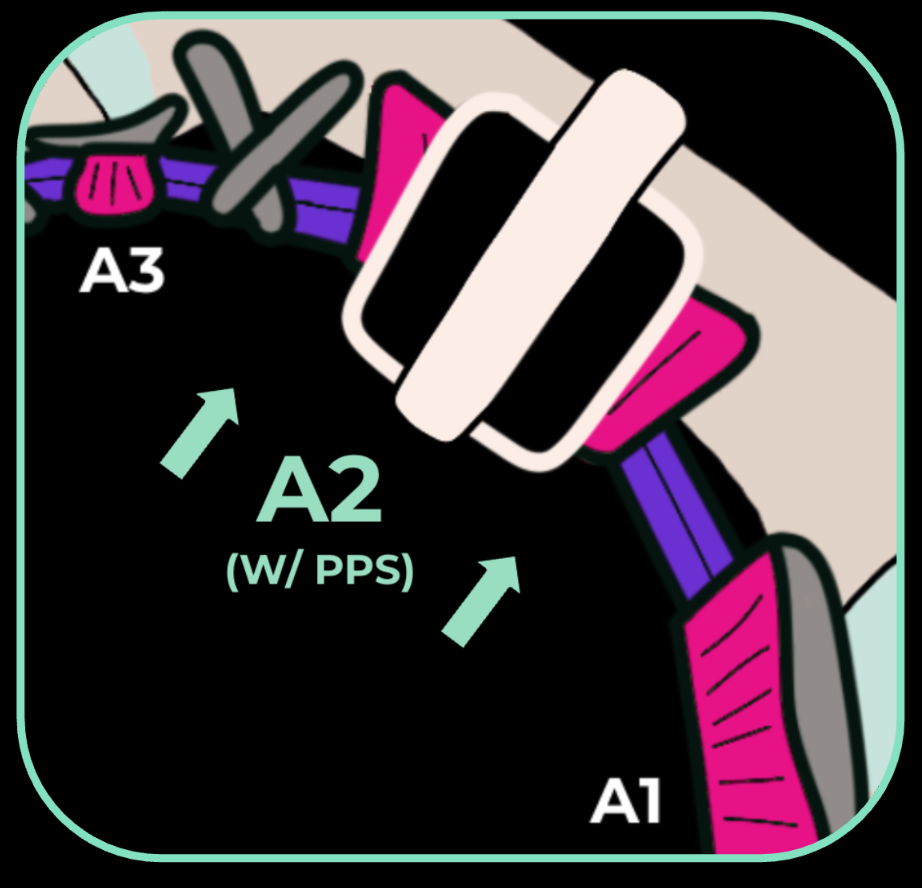
The Vector PPS gives external support to the injured pulley after an A2 or A4 injury. It helps reduce tendon bowstringing and mechanical strain at the injury site while still allowing full finger movement.
That creates a safer environment for progressive rehab and tissue healing, without locking the finger in a rigid splint.
Supports the pulley
Sits over the injured pulley segment to offload it and reduce strain on the healing tissue.
Keeps the finger moving
Preserves tendon glide and normal movement, so you can keep loading the finger as you heal.
Built for climbing rehab
Designed to be functional and durable, after years of seeing climbers struggle with splints that didn’t meet real climbing demands.
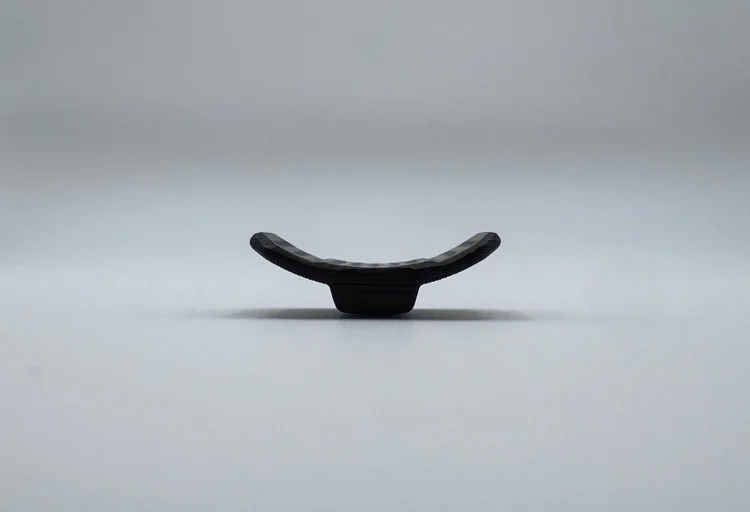
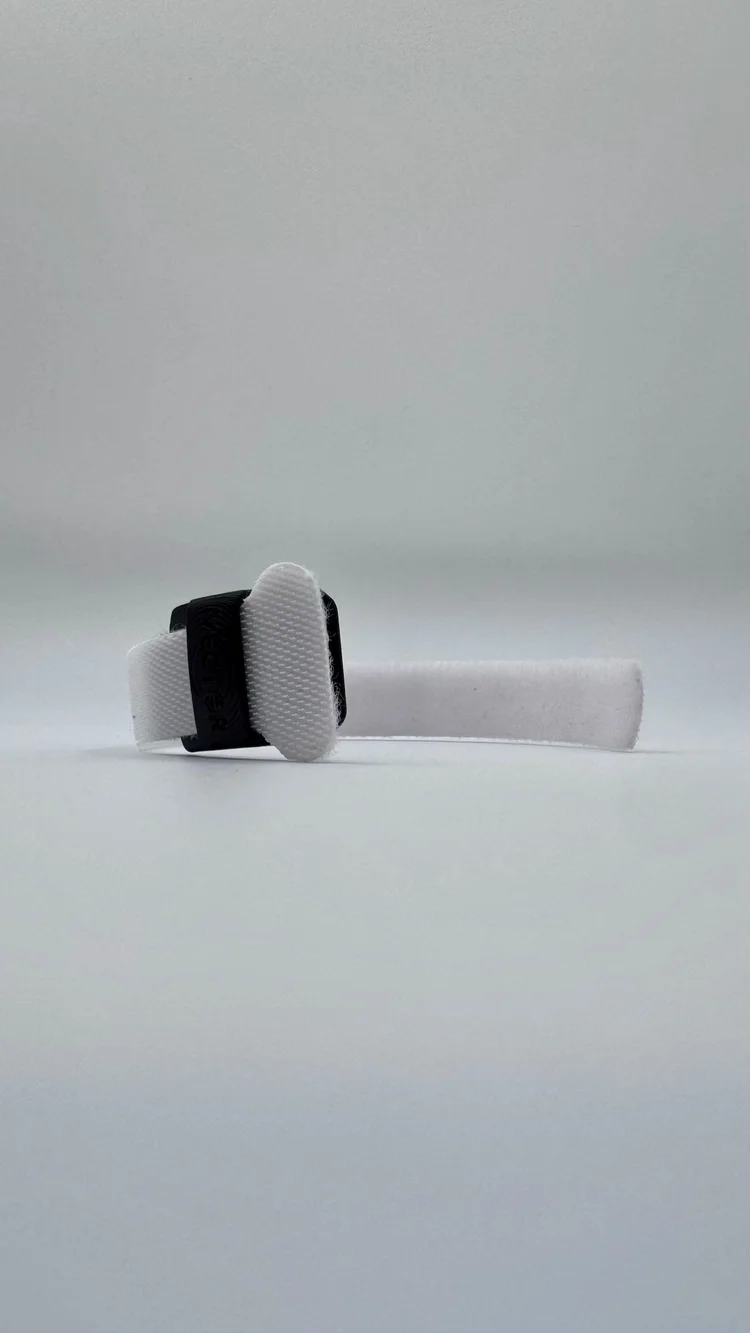
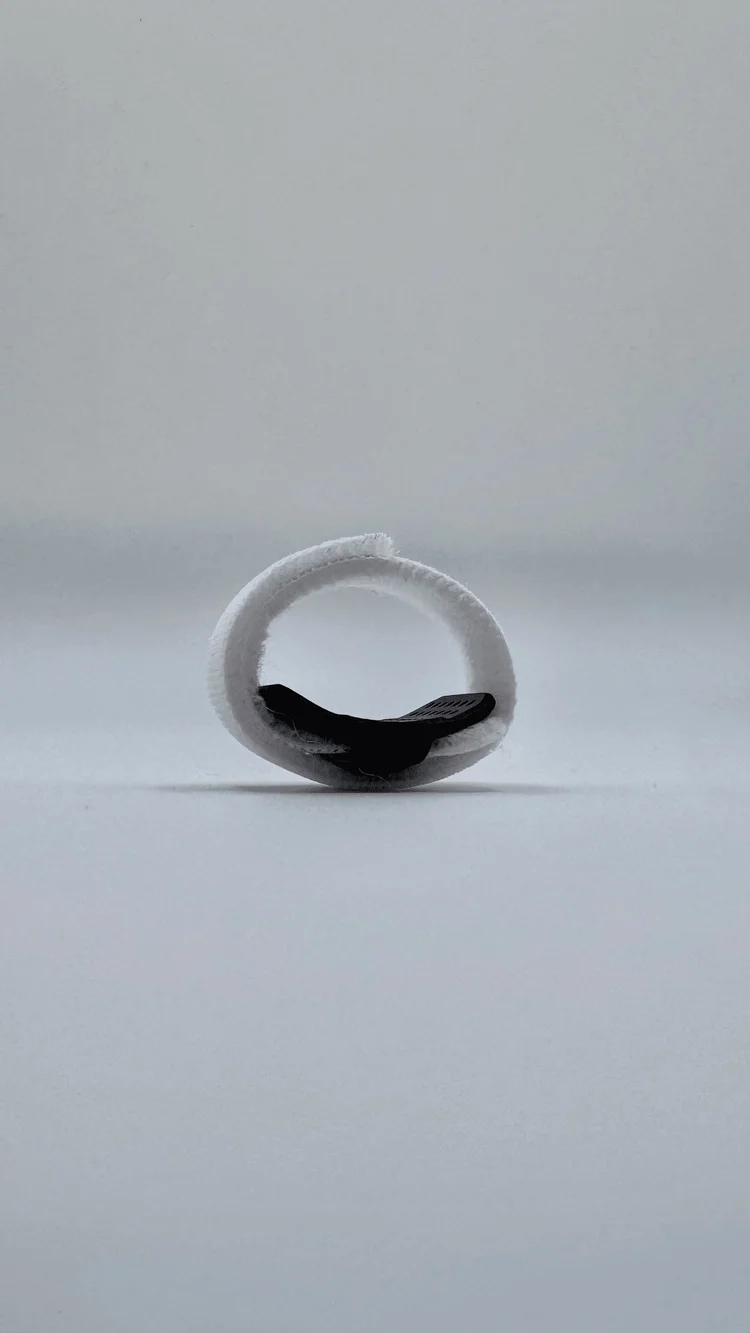
How a pulley protection splint works
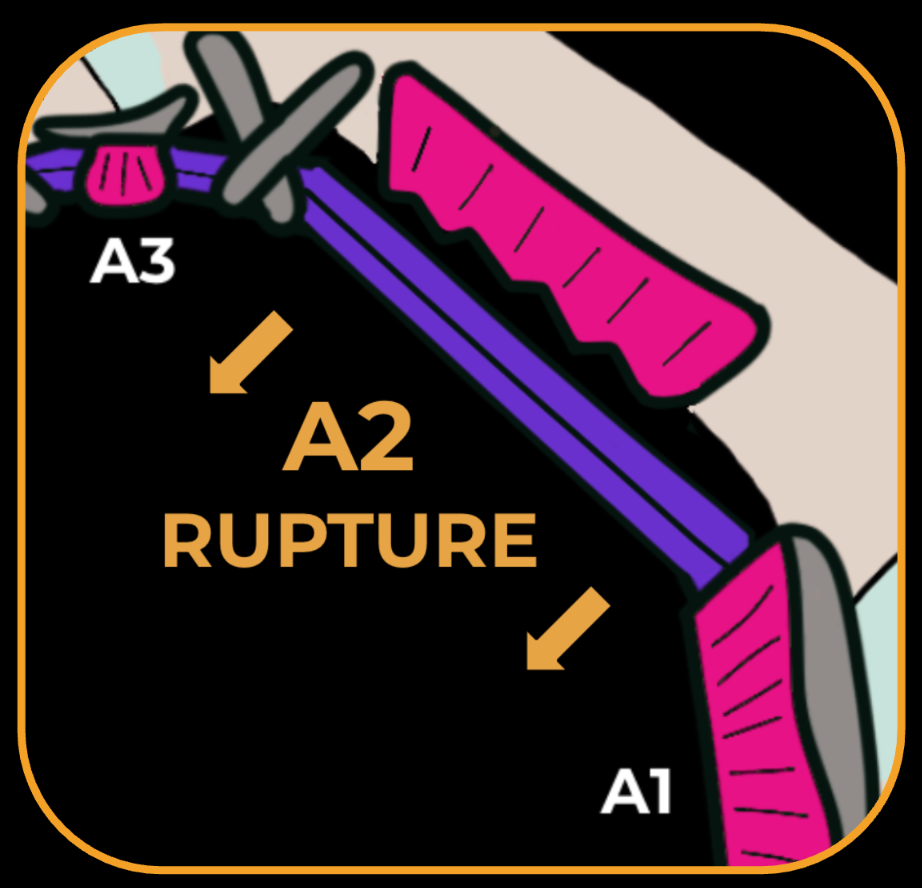
After a pulley rupture, the flexor tendon bowstrings away from the bone when you grip, increasing the tendon–phalanx distance (TPD). A pulley protection splint acts as an external pulley over the injured segment.
In a series of 47 climbers, Schneeberger and Schweizer found the PPS to be an effective conservative treatment for pulley ruptures: it reduced TPD and patients regained their previous finger function. The Vector PPS is built on this same principle.
Read the study · Wilderness & Environmental Medicine, 2016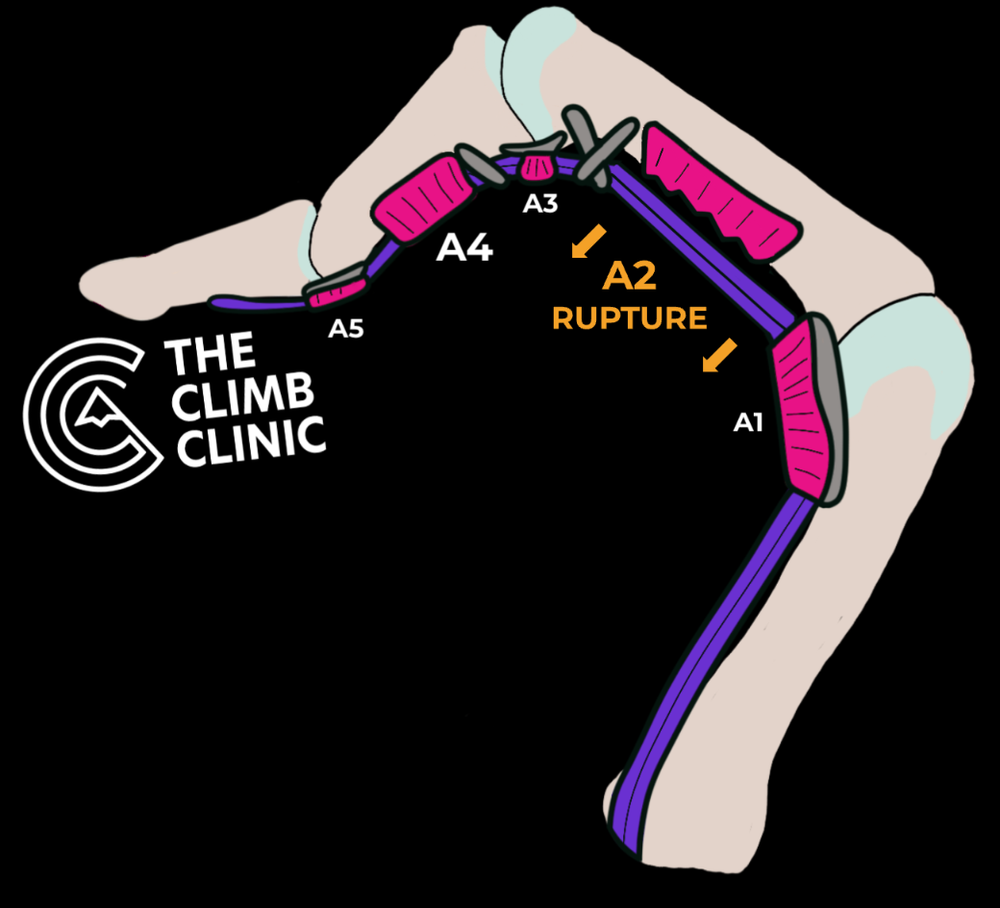
How we use it in rehab
The Vector PPS is one part of a structured rehab plan, not a replacement for one. Your PT decides if it’s right for you and how to use it. See our finger & pulley rehab.
- 1DiagnoseUltrasound imaging to see which pulley is injured
- 2Size & fitThe right size, positioned over the injured pulley
- 3Load progressivelyProtected rehab with a structured loading plan
- 4Return to climbingBuild back to full strength with your PT
Getting the fit right
Proper fit gives effective compression without limiting circulation or motion, for the most protection and comfort.
- Centered over the injured pulley segment
- Never sitting across a joint
- Snug, but not restrictive
A climbing PT and a medical device engineer
Dr. Kevin Cowell and Davis Benz co-invented the Vector PPS to close the gaps they saw in pulley injury rehab for climbers.
Dr. Kevin Cowell
PT, DPT, OCS, CSCS, FAAOMPTA physical therapist specializing in climbing injuries, Kevin developed the concept after years of watching climbers struggle with hard-to-get, poorly designed splints. His goal was a functional, durable and clinically sound splint every climber could access. The Vector PPS earned Kevin the APTA Orthopedics Innovative Practice Award.
Davis Benz
Licensed professional engineerDavis has medical device R&D experience across blood component centrifuges, robotic ultrasound systems and IV catheters, and holds multiple medical device patents. After a full A2 pulley tear left him with long-term mobility loss, he set out to engineer a better solution.
 1st award cycle recipients · 2026
Innovative Practice Award
Dr. Kevin Cowell received the 2026 APTA Orthopedics Innovative Practice Award for the Vector PPS, a new way to protect pulley injuries while keeping climbers moving.
See the award winnersTreating climbers with pulley injuries?
Clinicians can request the Vector PPS for their patients by email. To go deeper, our Cert. CMRCA certification includes the Finger Injuries course plus Kevin’s pulley protection splint webinar and his Vector PPS award lecture. Prefer to learn in person? Join Kevin and Dr. Jared Vagy at the Project Beta masterclass.
Vector PPS questions
Can I buy a Vector PPS online?
Not through an online store right now. We use the Vector PPS with patients at The Climb Clinic, and climbers outside Colorado and clinicians can request one by email. To request one or learn more, email us at kevin@theclimbclinic.com.
I’m a clinician. Can I get them for my patients?
Yes. Email us to request splints for your clinic, with sizes if you have them. We also teach pulley injury management, including how we use the Vector PPS, in our Cert. CMRCA certification.
Does it cost extra?
No. If your PT recommends a Vector PPS, it’s included at no extra cost with your appointment at The Climb Clinic.
Which injuries is it for?
It’s designed to support the A2 or A4 pulley after an injury. Your PT will confirm what’s injured, using ultrasound imaging, and decide whether a splint is the right part of your plan.
Does it replace rehab?
No. The Vector PPS isn’t a substitute for medical advice, diagnosis or a structured rehab program. It works best alongside a progressive loading plan from your PT.
Can I climb through pain while wearing it?
No. It isn’t designed to let you climb through pain or to replace good load management. Your PT will guide when and how to use it as you return to climbing.
What if my symptoms get worse?
If symptoms worsen, you notice visible bowstringing, or you’re unsure about your injury, see a qualified healthcare professional. You can also book a free 15-minute call with our team.
The Vector PPS is not a substitute for medical advice, diagnosis or a structured rehabilitation program. It is not designed to allow climbing through pain or to replace appropriate load management. Patent pending.
Included with your care
We use the Vector PPS with patients at our clinics in Golden and Boulder, and if your PT recommends one, it’s included at no extra cost with your appointment. It isn’t sold in an online store, but climbers outside Colorado and clinicians can email us to request one. Let us know which finger and pulley are injured and we’ll help with sizing. If you have a pulley injury, book a visit and we’ll see if it’s right for you, or read more about our finger & pulley rehab.