
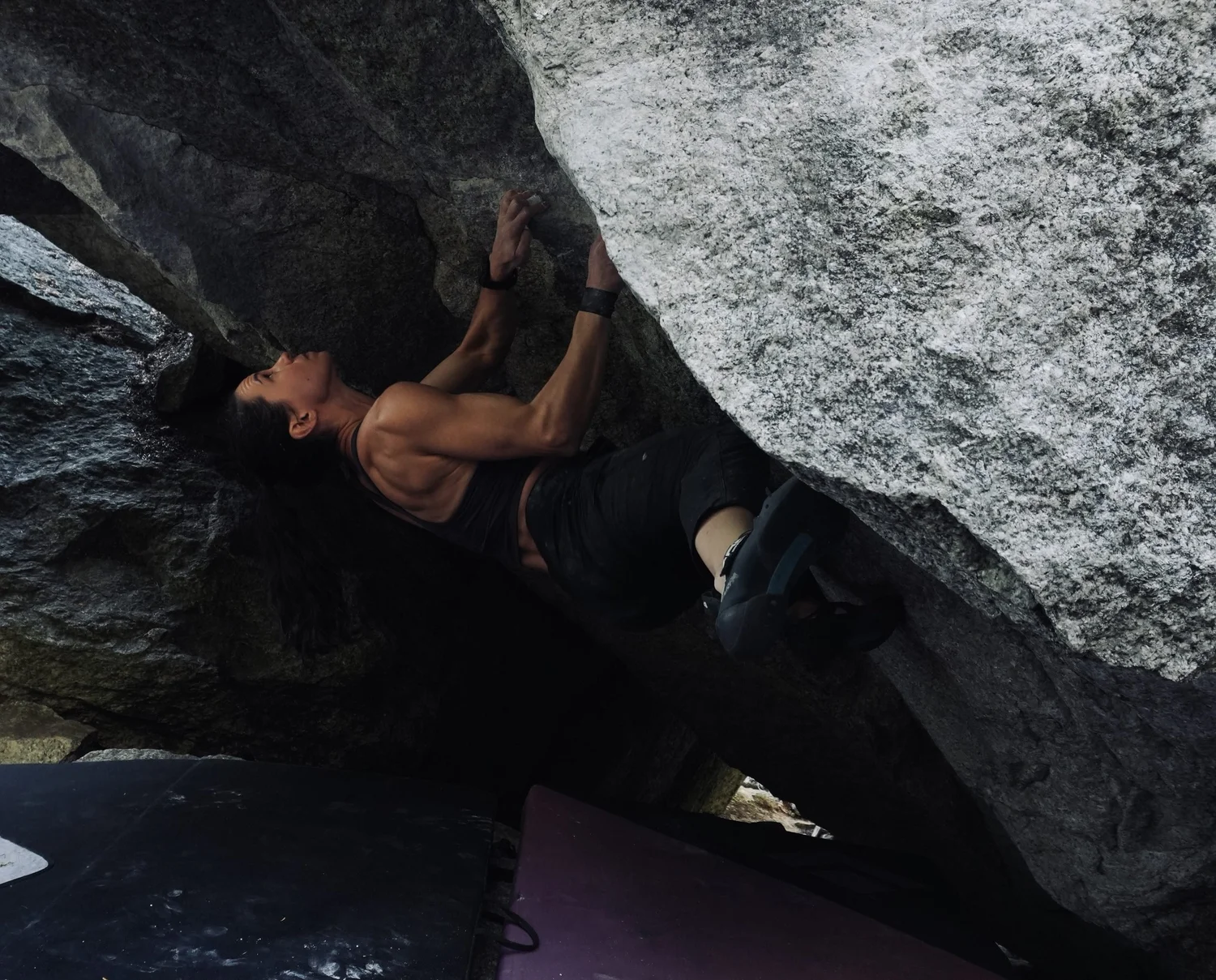
Climbing rehab & performance
with our climbing PT team · Golden & BoulderFrom a nagging finger tweak to coming back from surgery or pushing past a plateau, we meet you where you are on the wall.
Climbers treating climbers
Every clinician here climbs. Between us we've spent decades on rock and plastic, from first top-ropes to long-term projects, so we understand crimps, heel hooks, training cycles and setbacks from the inside.
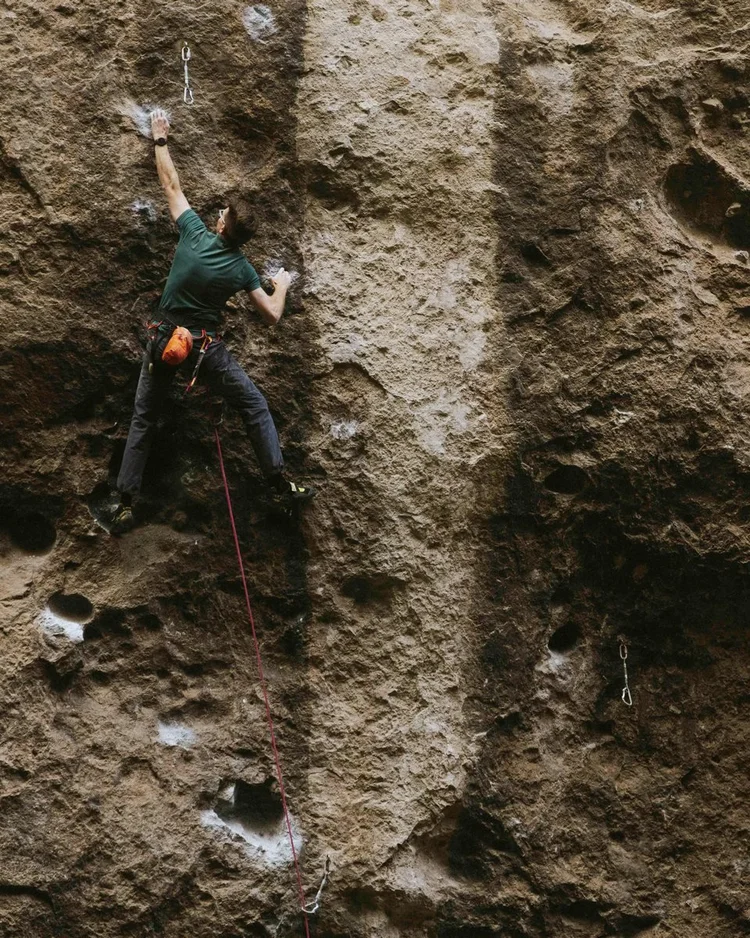
 Founder · Sport climber
Dr. Kevin Cowell
PT, DPT, OCS, CSCS, FAAOMPTHas projected routes up to 5.14, so he knows what climbing at your limit asks of fingers and shoulders. Author of DK's Science of Climbing and PT for the CU Climbing Team.
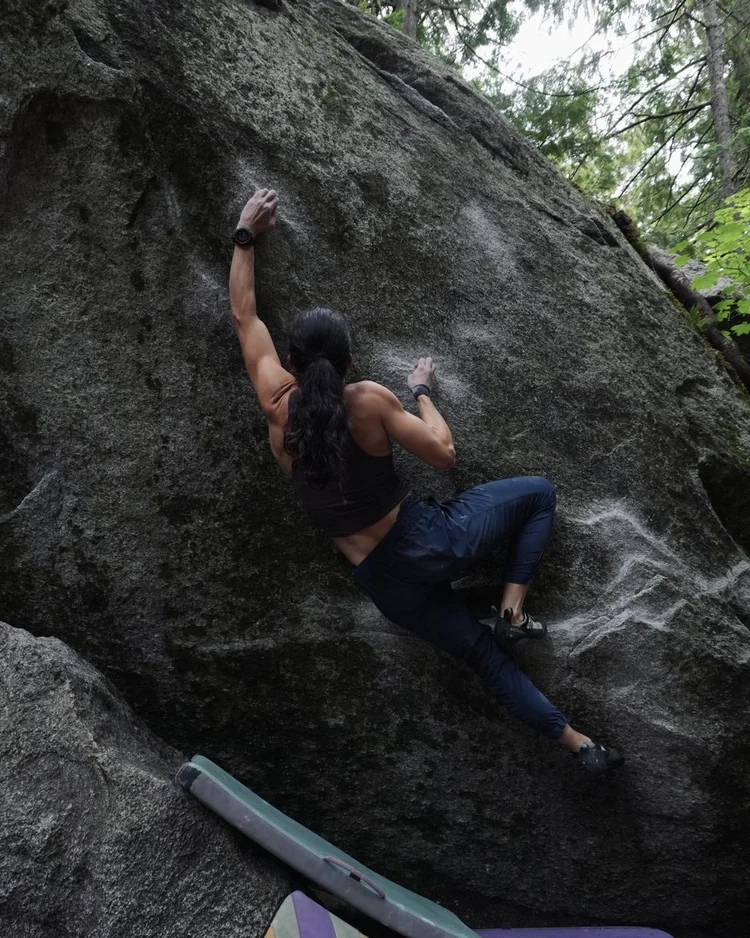
 Boulderer & sport climber
Dr. Lily Swann
PT, DPT, FAAOMPT12 years of bouldering and sport climbing outside, up to V10 and 5.13+. A former D1 gymnast who pairs hands-on manual therapy with strength-focused rehab.
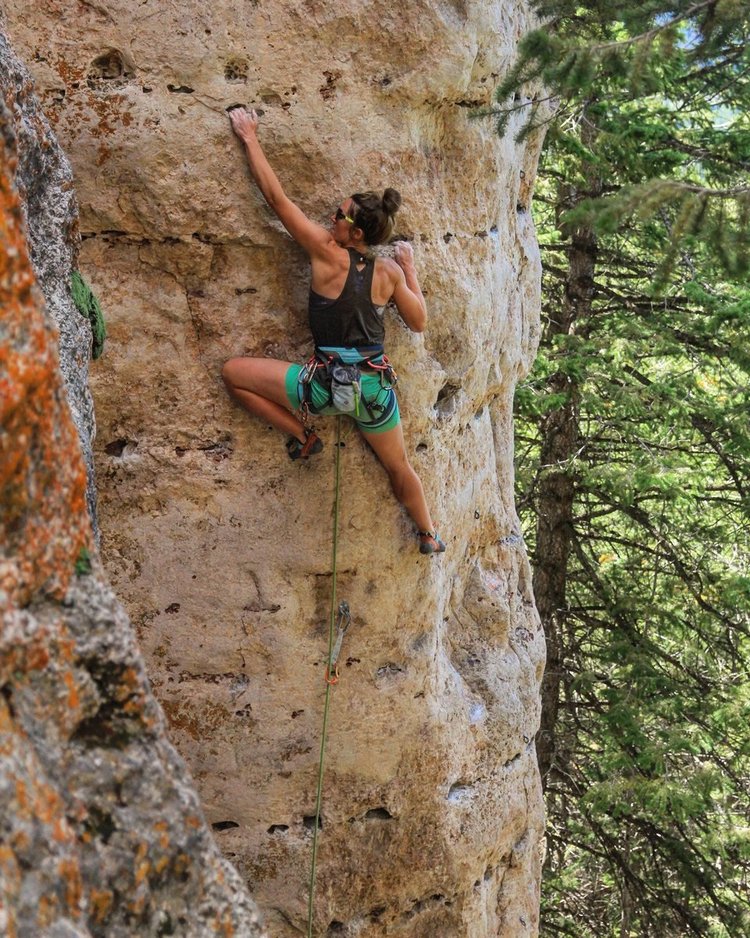
 Climber · 10+ years
Dr. Annie Leavitt
PT, DPT, OCS, CSCSAn avid climber for more than a decade with extensive foot and ankle training, and a go-to for athletes who both climb and run.
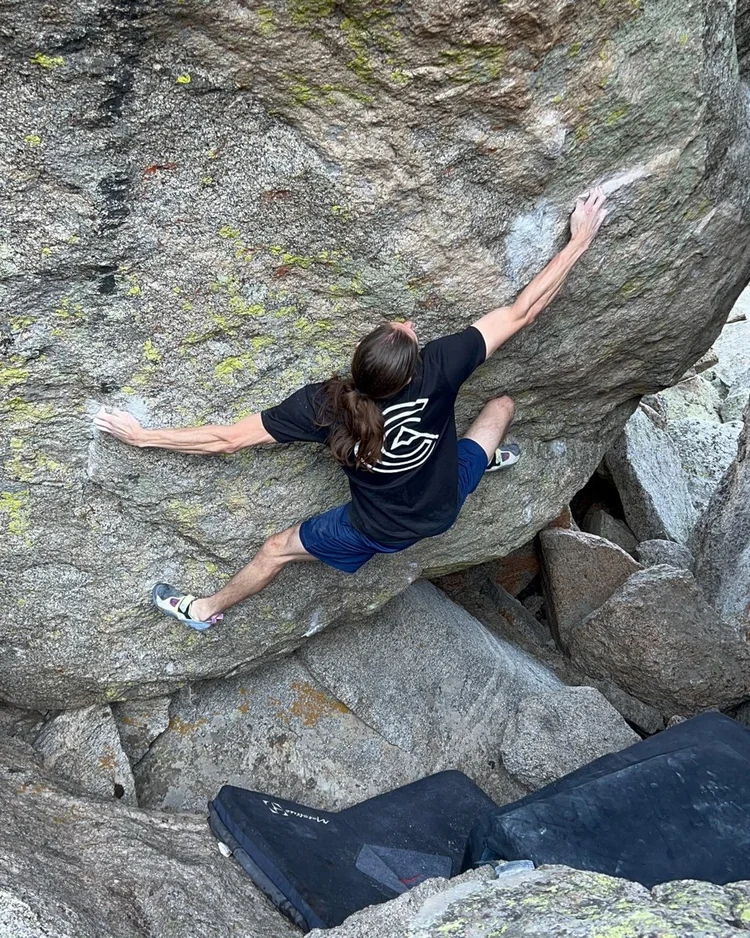
 Boulderer & coach
Derek New
DPT student, CSCSYears of competing and coaching, with boulders up to V14. Currently completing his clinical rotation with Dr. Kevin Cowell.
Common climbing injuries
Climbing places demands on the body that most physical therapists never train for. Our care is built around the grip positions, movement patterns and loads unique to the sport.
Finger & pulley injuries
Pulley sprains and tears, trigger finger and flexor tendon irritation.
Shoulder injuries
Labral tears, rotator cuff strain and impingement from overhead and crimp-heavy movement.
Elbow pain
Climber's elbow (medial epicondylitis) and lateral epicondylitis from repetitive gripping.
Finger & hand overuse
Chronic tendinopathy from high training volume.
Return after surgery
Post-op rehab designed to get you back on the wall safely, not just "cleared."
Performance plateaus
Strength, mobility and movement work to help you break through to the next grade.
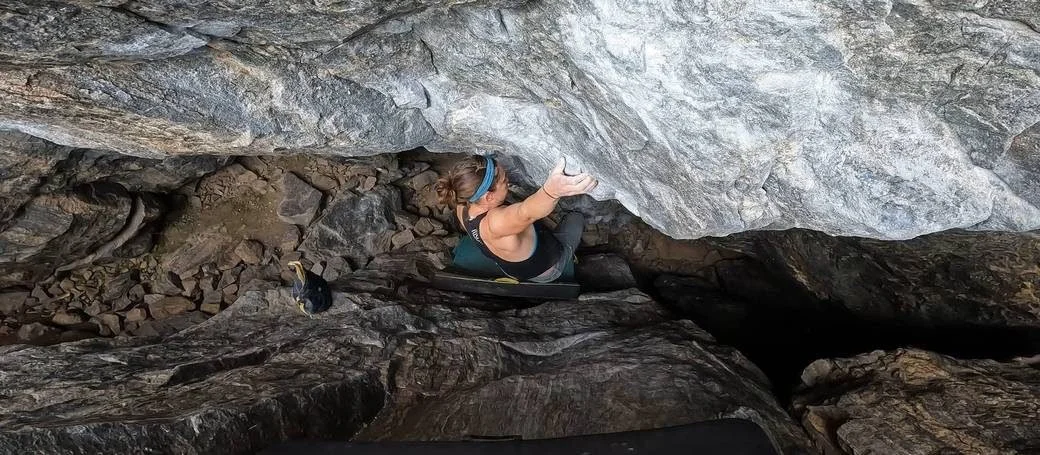
Rest isn't the plan. Climbing stronger is.
We modify grips, volume and wall angle so you can keep climbing through most injuries.
Book an appointmentAssessed on the wall, not just the table
Using our TB2 and Kilterboard system boards, we evaluate grip strength, movement efficiency and technique under real climbing load, catching compensations a standard exam would miss.
Hands-on rehab
Manual therapy, dry needling and targeted mobility work.
Climbing strength
Finger, shoulder and core strength built for climbing demands.
On-the-wall coaching
Technique and load assessment using board training.
Objective testing
Finger strength testing and ultrasound imaging to track real progress.
Pick your first visit
Initial Evaluation
A one-on-one evaluation, up to an hour, with on-the-wall testing and a plan built around your climbing goals.
Up to 60 min · one-on-one
Book an evaluationClimbing Performance Snapshot
A 15-point assessment of your climbing-specific mobility, stability and movement control, with insight into how to move more efficiently on the wall.
$25 · applied toward your evaluation
Book a SnapshotClimbing PT questions
How long does a climbing finger injury take to heal?
It depends on the injury. A Grade I pulley strain heals much faster than a full rupture, but most climbers can expect a few weeks to a few months of structured rehab. You'll get a specific, individualized timeline after your evaluation.
Do I need to stop climbing while I recover?
Not necessarily. Our goal is to keep you climbing in some capacity by modifying grip types, volume or wall angle rather than full rest, unless the injury specifically requires it.
Do I have to climb hard to come in?
Absolutely not. Whether you're top-roping for the first time or just started bouldering with friends, your plan is built around your goals, not a grade. Many of the climbers we see are new to the sport and want to move well and avoid injury.
How is climbing PT different from regular PT?
Most PTs aren't climbers and haven't trained for the finger, shoulder and grip demands the sport creates. Our team climbs, understands grip types, wall angles and training culture, and assesses you on our system boards, so your plan reflects how you actually move on the wall.
Do you treat climbers outside Golden and Boulder?
Yes. We regularly see climbers from across the Front Range, including Denver, Louisville and Lafayette.
Ready to get back on the wall?
No referral needed · Climbers of every level welcome