
The Hypermobile Climber
A 2-hour, self-guided course for climbers, coaches & clinicians
Screening, strength for stability and staying on the wall. Learn to recognize hypermobility in climbers, screen for control instead of range, and build a plan that keeps hypermobile climbers climbing.
$89 early bird ($20 off $109, code EARLYBIRD applied automatically) · access opens April 2027
Climbing attracts and rewards hypermobility
Hypermobile climbers often look like naturals: high feet, deep drop knees, positions others can't reach. But range without control can show up as finger and thumb joints that collapse on crimps and pinches, shoulders that feel loose in dynamic moves, and mantles that just feel wrong.
Most screens measure how far a joint goes. This course teaches how to screen for control under load, decide what to do with the results, and build strength for stability, so hypermobile climbers can keep climbing.
- Climbers who are bendy, double-jointed or "trick-jointed" and want to train smarter
- Coaches who want to spot hypermobility and adapt training and move choice
- Clinicians (PTs, ATs, chiropractors) who screen, treat and co-manage climbers
- Tell hypermobility, HSD and hEDS apart, and know when to refer
- Run the Beighton score and a quick history screen
- Perform climbing-specific control checks for fingers, thumbs and shoulders
- Choose a path: stability first, modified loading or train normally
- Build a 3-phase strength-for-stability progression, on and off the wall
What's covered
A self-paced, recorded lecture with on-the-wall demos, plus the tools to use it the same week.
- Part 1 · 15 min
Hypermobility, HSD and hEDS
What the terms mean, and why climbing attracts hypermobile athletes.
- Part 2 · 30 min
Screening
History questions, the Beighton score and climbing control checks.
- Part 3 · 35 min
Strength for stability
Loading, fingers, thumbs and shoulders, and move choice on the wall.
- Part 4 · 20 min
Cases and referral
Real-world cases, and when to refer or co-manage.
- Part 5 · 20 min
Wrap-up
Common questions and a case-based knowledge check.
Built by climbing physical therapists
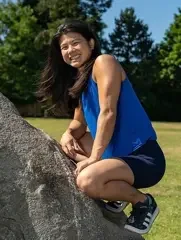
Dr. Anna Chang
PT, DPT · Onsight Physical Therapy · Tacoma, WAFounder of Onsight Physical Therapy, a climbing-specific clinic in Tacoma, WA, focused on climbing rehab, PT-led strength training and hypermobile climbers.
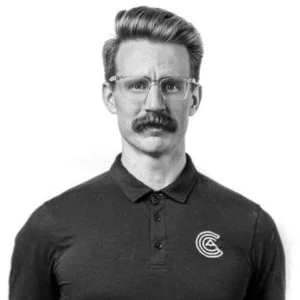
Dr. Kevin Cowell
PT, DPT, OCS, CSCS, FAAOMPT · The Climb ClinicFounder of The Climb Clinic in Golden and Boulder, CO, and creator of Cert. CMRCA, an online certification in climbing rehab for clinicians.
Everything you need to know
Course questions
When does the course launch?
April 2027. Pre-order now to lock in the $89 early-bird price, and you'll get access the day it opens.
Is it approved for continuing education?
CEU approval is pending for licensed clinicians. We'll confirm approval and state details before launch.
I'm in Cert. CMRCA. Do I need to buy it?
No. The course and tools are included in Cert. CMRCA at no extra cost.
Is it for climbers or clinicians?
Both. Climbers and coaches get a clear way to understand hypermobility and train around it. Clinicians get the screening, decision-making and progression detail they need for their caseload.
Is this medical advice?
No. The course is educational and the Screen is a screening tool, not a diagnosis. If you have pain, instability or repeated subluxations, see a physical therapist or physician.
This course is for education only and is not a substitute for individualized medical advice.
Pre-order at the early-bird price
$89 with code EARLYBIRD until launch in April 2027, then $109.