
Whether you are dealing with a nagging injury, returning from time off due to injury or life, or just looking to become a stronger and safer runner, our running-specific physical therapy and coaching is designed around your goals.
Where do I start?
The Running Performance Snapshot is a comprehensive 15-point assessment of your strength, mobility, stability, and control. You’ll gain valuable insight into your body’s specific needs and identify opportunities to improve your running. Your $25 payment can be applied toward a personalized Comprehensive Running Performance Evaluation with Dr. Annie Leavitt, where her clinical expertise and performance-focused approach will help translate your results into actionable strategies for your rehabilitation, training, & performance goals.
Running Injury Rehab
In addition to treating the current injury, we will look at you as a whole runner as well as your training load to make sure we identify the root cause, and prevent it from happening again.
We combine hands-on treatment, specific rehab exercises, strength training, movement assessment, running analysis, and individualized training modifications to help you recover while maintaining as much fitness as possible.
Our Approach:
Evaluate: We will identify limiting factors, establish baselines, and come up with a comprehensive treatment plan
Build: We will progress and build strength, mobility, and capacity
Run: We progressively introduce or modify running based on your current status and goals
Perform: We help you transition from “rehabbing” to training and competing at your desired level
Running Specific Evaluation:
Gait Analysis
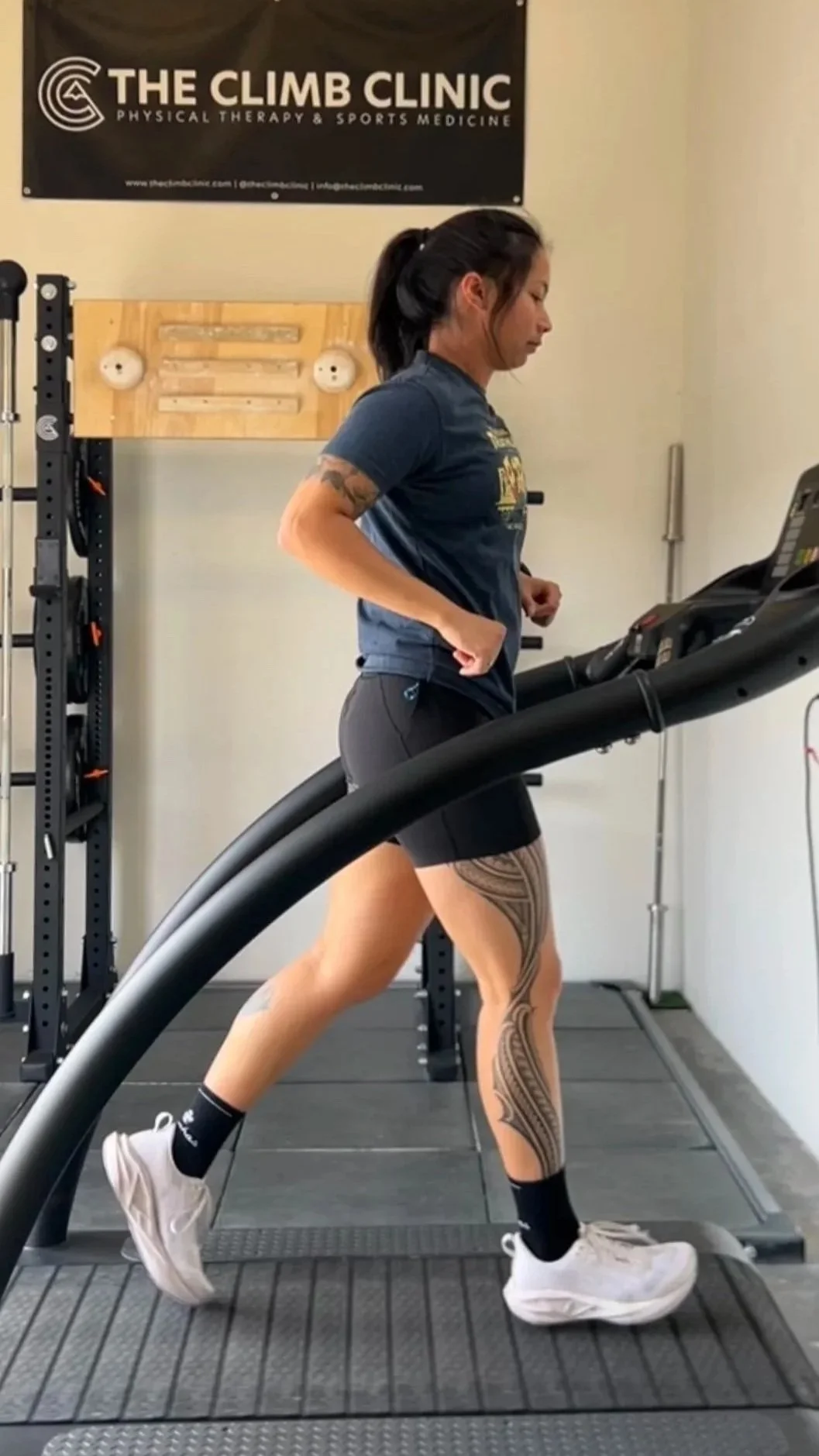
We will look at your cadence, stride characteristics, loading patterns, and symmetry of movement. In addition we will look at biomechanical factors that may be contributing to current injuries.
There is no such thing as the “perfect” running form, but we will help you identify factors that may be relevant to you, your injuries, and your goals
Movement Assessment
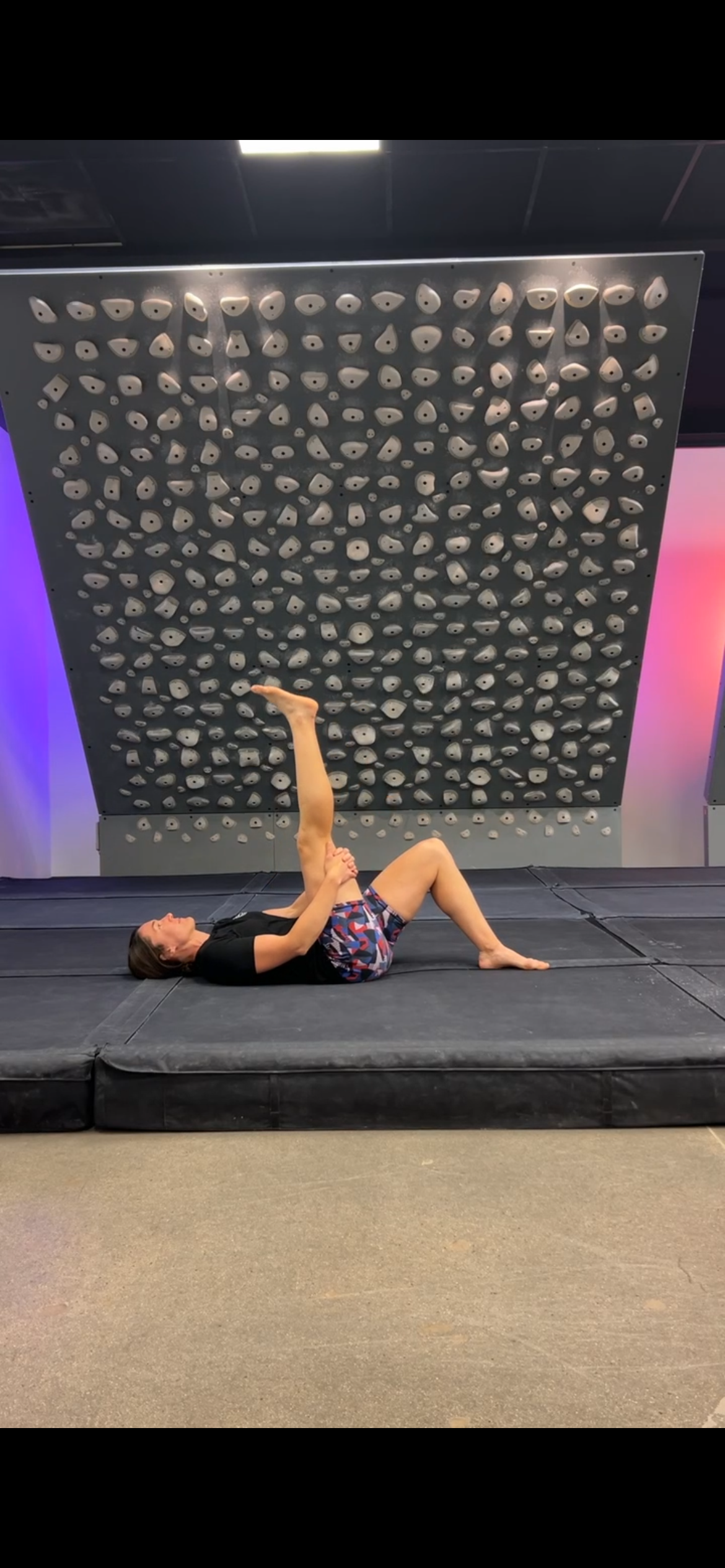
We will look at other movements relevant to running, like your single leg control, balance and coordination, mobility, and strength
Strength Testing
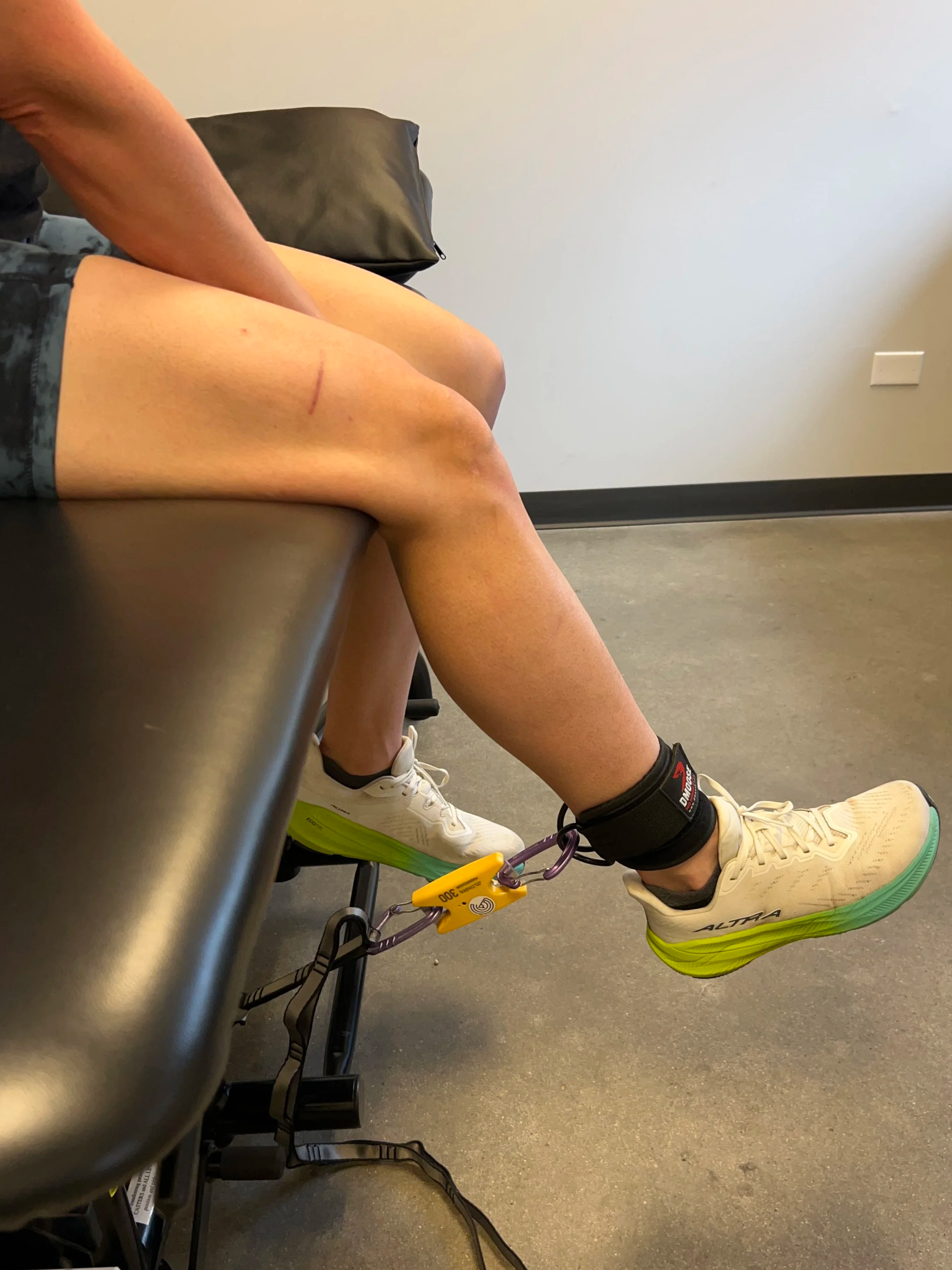
We will test the strength of your lower extremities, and compare side to side. We may use a tension dynamometer to get objective data to track progress.

Who We Work With
Climbers who run for cross training
Trail and ultra runners
Recreational runner
Elite runners
Brand new runners, no matter your age
Road runners from 5k to marathon
Runners returning from injury
Runners looking to manage recurring or chronic injuries
Runners looking to improve performance
Common Injuries We Treat:
Achilles tendinopathy
Plantar fasciitis/heel pain
Stress reactions/stress fractures
Shin splints/medial tibial stress syndrome
Patellofemoral pain
IT band pain
Hamstring injuries
Calf strains
Hip pain
Ankle/Foot/Toe pain
Low back pain related to running
Your Questions, Answered
-
Not necessarily! While there are certain injuries that do necessitate a complete shut down from running, our goal is to keep you moving as much as possible. This may include some modification to overall volume, terrain, or intensity, but we will work with you after diagnosis to find the right amount and type of running for you while you recover
-
Absolutely! Coming in without an injury is a great step to take to maximize your performance and prevent injuries from popping up as your season progresses. We will take you through our assessment and help to identify areas of weakness or compensation and create an exercise program for you to include in your training.
-
We are so glad you are here! Working with new runners is Dr. Annie’s favorite. She loves to help navigate the introduction of running and inspire you to do things you may not think are possible!
-
We will sit down and get to know you and your running history. Then, we may do some assessments on the table including range of motion, strength, and diagnostic testing. Depending on the situation, we can also get you on the treadmill during the first session to do a gait analysis. Based on our findings, we will then go over a rehab plan with you. After each visit, we will email you a summary of the visit and a protocol with your prescribed exercises.
-
It truly depends on your situation. Most often, we see patients for 4-6 visits, spread out over the course of a few months. This way we can make sure our initial plan is working, and progress your exercises back to the performance stage of training. However, some clients just need one visit, and some come in frequently to check in on exercises and receive manual therapy to help manage training.